
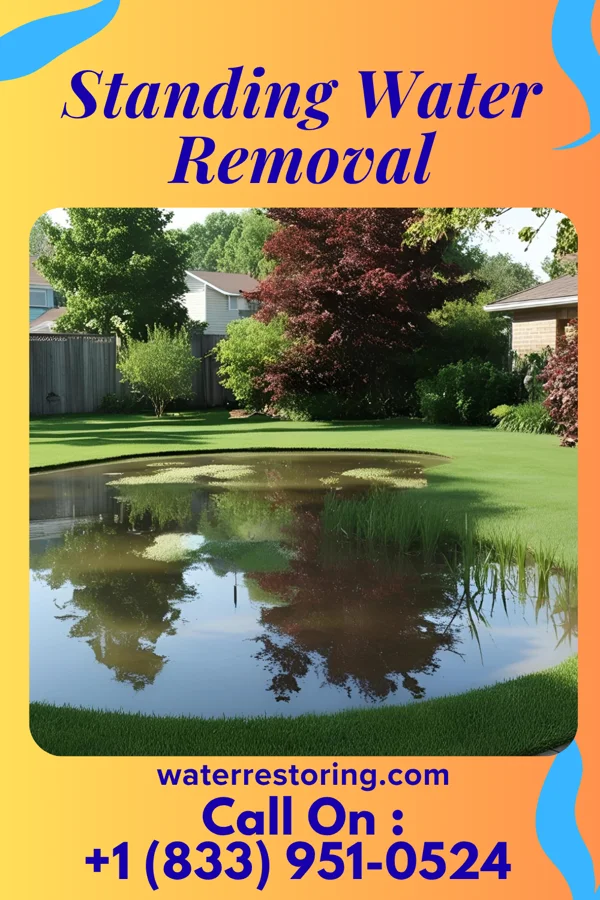
What Makes Unionville Standing-Water-Prone
Living in Unionville means dealing with In Unionville, Georgia, the primary water damage cause is often due to heavy rainfall and flooding from the nearby Tift County watershed, which can overwhelm local drainage systems. Additionally, agricultural runoff from surrounding farmlands contributes to water accumulation in low-lying areas, especially during the spring and summer months. sooner or later. A close second is Secondary causes include plumbing leaks from aging infrastructure in rural homes, burst water heaters, and accidental spills from livestock operations. These issues are common in the area due to the mix of residential and agricultural properties.. The good news: water damage is fully recoverable when you catch it fast and bring in certified technicians.
Unionville experiences a humid subtropical climate with frequent thunderstorms and heavy downpours, increasing the risk of sudden water intrusion. The region's warm, moist conditions also accelerate mold growth if water is not promptly addressed.
Most standing water removal calls in Unionville come from In Unionville, Georgia, the primary water damage cause is often due to heavy rainfall and flooding from the nearby Tift County watershed, which can overwhelm local drainage systems. Additionally, agricultural runoff from surrounding farmlands contributes to water accumulation in low-lying areas, especially during the spring and summer months.. Running a close second is Secondary causes include plumbing leaks from aging infrastructure in rural homes, burst water heaters, and accidental spills from livestock operations. These issues are common in the area due to the mix of residential and agricultural properties.. Local mold risk: Mold can develop rapidly in Unionville's humid climate, especially in older homes with poor insulation. Prompt action is crucial to prevent health risks and structural damage.
For public guidance on the health effects of mold after prolonged water exposure, see the EPA mold and health page.