
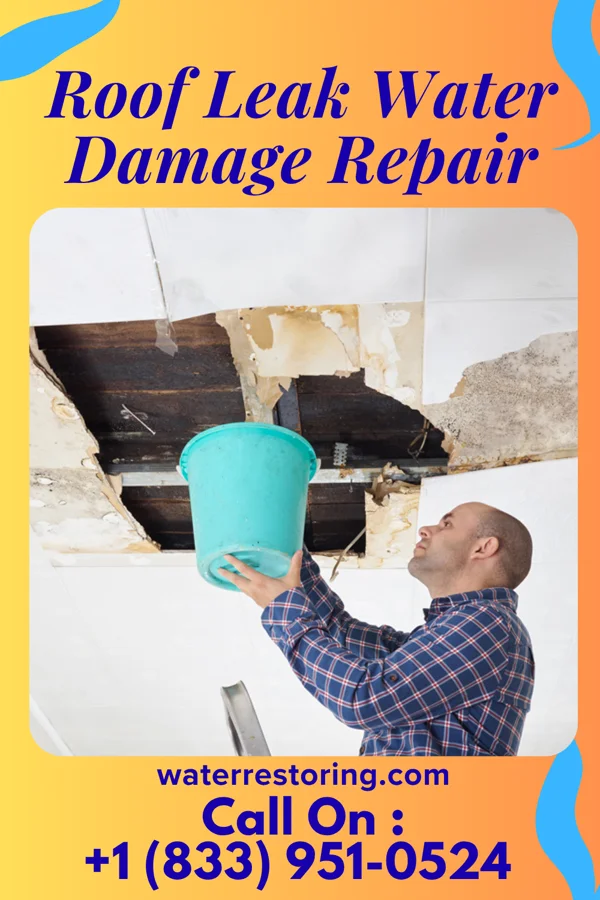
Roof Leaks & Insurance in Unionville
Unionville, Georgia experiences frequent thunderstorms and heavy downpours due to its location in the southeastern United States, which can lead to sudden roof leaks. The region's humid climate also contributes to prolonged moisture exposure, increasing the risk of water damage. is the trigger behind most roof leak water damage repair claims in Unionville. A close second is In the summer months, Unionville sees high humidity levels combined with occasional tropical storms, which can cause prolonged rainfall and increase the likelihood of roof damage. Winter storms, though less common, can bring freezing temperatures that may lead to ice dams on older roofs.. Most homeowner insurance policies cover sudden, accidental water damage. What separates a clean claim from a stuck one is fast professional response with documentation an adjuster can actually use.
The combination of heavy rainfall, high humidity, and frequent thunderstorms in Unionville creates an environment where roof leaks and water damage are common. These conditions can lead to rapid deterioration of roofing materials and increased risk of mold growth.
Most roof leak water damage repair calls in Unionville come from Unionville, Georgia experiences frequent thunderstorms and heavy downpours due to its location in the southeastern United States, which can lead to sudden roof leaks. The region's humid climate also contributes to prolonged moisture exposure, increasing the risk of water damage.. Running a close second is In the summer months, Unionville sees high humidity levels combined with occasional tropical storms, which can cause prolonged rainfall and increase the likelihood of roof damage. Winter storms, though less common, can bring freezing temperatures that may lead to ice dams on older roofs.. Local mold risk: Mold can begin to grow within 48 hours of water exposure in Unionville's humid climate, leading to significant indoor air quality issues and potential health risks. Secondary damage from water intrusion can affect walls, insulation, and structural integrity if not addressed promptly.